Client review · Article demo
Safety deposit box vs home safe: which suits your valuables?
A home safe keeps belongings close at hand. A safety deposit box keeps selected valuables away from your home, with access arranged through the facility. The better choice depends on what you are storing, how often you use it and which risks you want to address.
Your everyday watch and the watch you inherited from your father may look similar on a storage list. In practice, they have different jobs. One goes on your wrist each morning. The other might come out twice a year.
That difference is a useful place to start when comparing a safety deposit box vs a home safe. Work backwards from the items and the access you need, rather than buying storage first and deciding what belongs in it later.
The main difference is where your valuables stay
A home safe remains inside your home. You choose the model, arrange installation and manage its keys or code. It can provide a practical place for things you want to retrieve without leaving the house.
A safety deposit box sits at a separate facility. You visit to put items in or take them out, following the provider's access arrangements. For an item kept there, a break-in at your home would not put it in the same location as the intruder. Off-site storage still has its own risks and terms to assess.
A quick way to compare the options
- Access: a home safe is on hand when you are home; a storage facility requires a visit within its access arrangements.
- Installation: a home safe needs a suitable location and installation; a deposit box uses space within the provider's facility.
- Responsibility: you manage the home safe and household security; the provider manages facility access, while you manage your keys and authorised users.
- Cost: compare the home safe's purchase and installation costs with current box charges, travel and any insurance you need.
When does a home safe make sense?
A suitable home safe can be useful for jewellery you wear regularly, paperwork you consult often and a passport you may need quickly. Convenient access is a real benefit. If retrieving something means a trip you will struggle to make, that matters.
The word 'safe' covers different products. Check the specific model's tested protection and what it is designed to hold. Yale's New Zealand range, for example, includes separate document fire safes and electronic home safes. A product name alone does not tell you whether it suits your collection.
Check installation as carefully as the lock
Ask a reputable safe installer about the model, mounting method and location. Follow the manufacturer's instructions: Yale's Smart Safe guidance, for example, recommends bolting that model down. Check the arrangement with your insurer before relying on it for valuable jewellery.
Include delivery, installation and any practical restrictions in the cost comparison. If you rent your home, find out whether the proposed installation needs the property owner's agreement. A safe that stays in its packaging because installation is awkward has not solved your storage problem.
The right storage choice should fit the way you actually use the item.
When does a safety deposit box make sense?
Off-site storage is worth considering for things you keep rather than use: an inherited watch collection, wedding gold, dowry jewellery, bullion, selected original records or small family keepsakes. These are items for which an occasional planned visit may be a reasonable trade-off.
For example, you might wear one watch every week and keep a collection for family occasions. The everyday piece stays accessible. You can consider a box for the collection, after checking the cases fit and the access arrangements work for you.
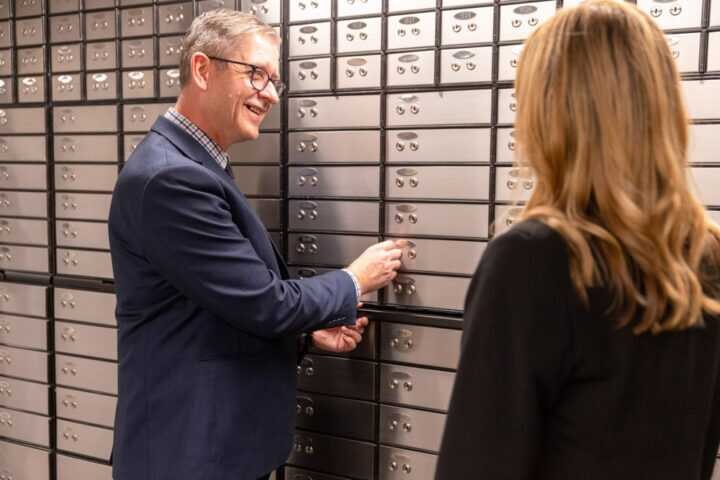
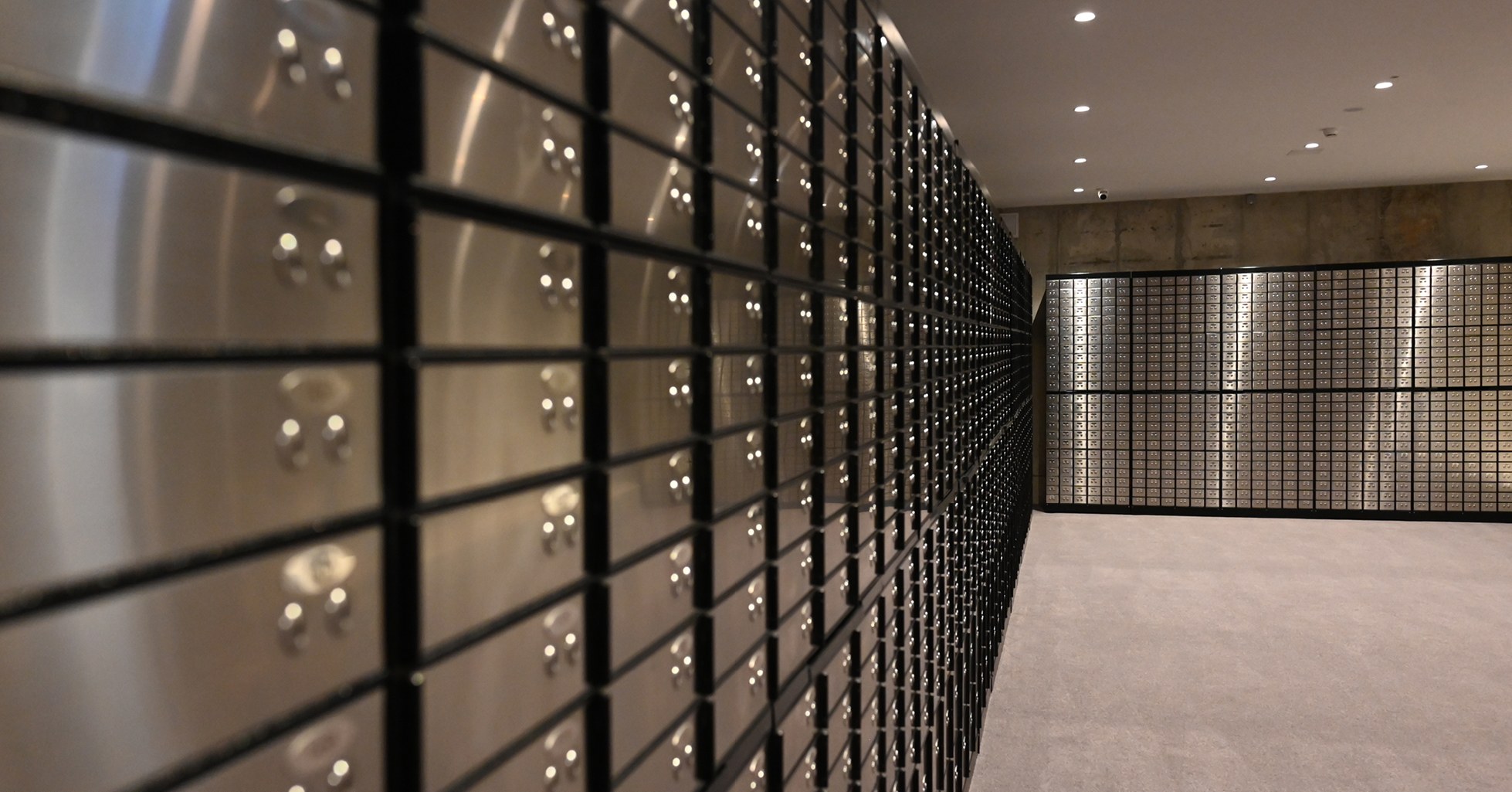
Visit the facility rather than judging it only from photographs. Commonwealth Vault's Hargreaves Street page describes biometric access. Ask the team to show you the visiting process and explain what happens if you lose a key, want another person authorised or need an item at short notice.
Could you use both?
Yes. You can make separate decisions for the belongings you use often and the belongings you want to keep for years. There is no need to move every valuable item into one place.
- Keep frequently used jewellery where you can retrieve it conveniently and store it appropriately.
- Consider off-site space for selected collections, inherited pieces and original records you rarely need.
- Keep organised document copies available where practical.
- Keep more than one usable digital backup, with recovery information managed separately.
A passport needs an access plan that suits your travel habits. For an original will, ask your lawyer where it should be kept and how the appropriate person would obtain it. Choosing a location without thinking through retrieval can create a problem for the people who need it.
Insurance needs checking with either option
Ask your insurer about the particular items, their values and the proposed storage location. Confirm any requirements for a home safe, cover at an off-site facility and cover while you transport belongings. An earlier valuation or a general contents policy is not an answer to every storage question.
Commonwealth Vault's published FAQ says its insurance does not cover customers' box contents. Obtain your insurer's confirmation rather than assuming that renting a box automatically insures what you put inside.
Choose from a real list, not an empty box
Use the storage checklist to identify the items you have in mind. Measure folders, watch cases and jewellery boxes as you intend to pack them. Then compare storage against the way you live.
- Which items do I use every week, and which might stay untouched for months?
- Who needs access if I cannot attend?
- What protection and installation does the home safe actually provide?
- What are the facility's current access rules, charges and permitted-item conditions?
- What has my insurer confirmed about each option?
If you are weighing up off-site storage in Auckland, view the Hargreaves Street box options or read how safety deposit boxes work. Seeing the facility gives you something concrete to compare with a home-safe quote.
Use the storage checklist to think through what you might bring to a viewing.