
Client review · Article demo
How safety deposit boxes work
Safety deposit boxes work by giving you a dedicated, lockable space inside a secure facility. You choose a box, complete the provider's checks and arrange access. Your possessions stay off-site, and you retrieve them through the facility's access process.
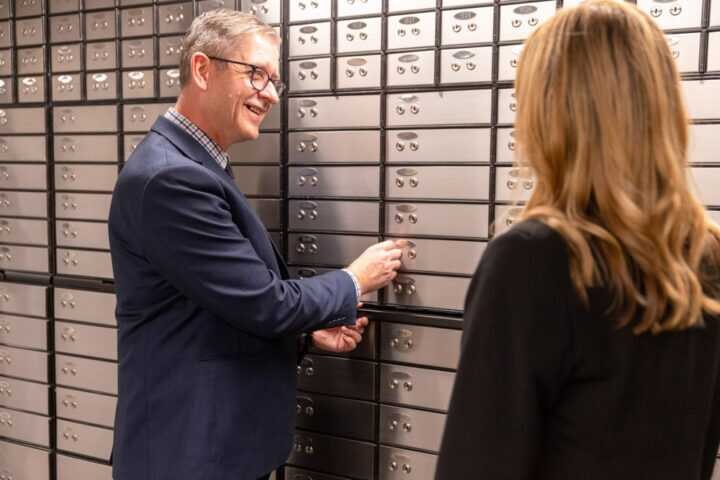
The practical questions usually come next. Do you have your own key? Can your partner visit? What happens if you need something tomorrow? Those details matter as much as the box itself.
This guide explains the basic process and the questions worth asking. Providers and locations differ, so confirm the arrangements for the facility you intend to use.
What exactly are you getting?
A safety deposit box is an individually allocated storage space within a larger secure facility. Commonwealth Vault's FAQ says customers receive a numbered box, a removable metal sleeve and two customer keys, with one kept as a spare.
The sleeve holds your belongings. The surrounding facility controls entry and the process for accessing the box. You are choosing both the space and the service around it.
Rental and purchase are different arrangements
Commonwealth Vault advertises both rentals and longer-term purchase arrangements. Ask what the quoted price covers, how long the arrangement lasts, how renewal works and what fees apply. An annual rental price should not be mistaken for outright ownership.
Opening a box: the practical steps
1. Work out what you want to store
Start with the objects and their packaging. An A4 document folder, a watch case and a set of medals create different space requirements. If you have not made a list, what to store in a safety deposit box will help you separate occasional storage from things you need close at hand.
Measure the contents as you plan to pack them. Then compare available boxes, rather than choosing from the size name alone. If you are unsure, a viewing gives you a chance to see the options before committing.
2. Confirm the terms and identity requirements
Before opening a box, ask the team for the current price, availability, agreement and identification requirements. Commonwealth Vault publishes information about customer identity and address checks; the team can confirm which documents and steps apply to your application.
If you are arranging storage for a business or want another person to have access, raise that at the start. Ask what paperwork they need too. Confirming those details is easier than discovering a missing document when you arrive with your belongings.
3. Learn the access routine
Ask the team to explain how you enter the facility, how your identity is checked and how the box is opened. Commonwealth Vault describes biometric entry at Hargreaves Street. Its general security information also describes a dual-key box-opening system; ask the team to show you the arrangement used for your box.
Keep your customer keys secure and separate from the items in the box. Make sure you know what to bring on a visit, whether an appointment is needed and what to do if your circumstances change.
4. Store the items and plan future visits
Pack the box so you can reach an item without emptying everything else. A labelled folder and a few separate pouches are easier to work with than loose papers mixed with jewellery.
Keep a private inventory somewhere you can access independently. It can help you remember what you have stored and identify items for an insurance conversation. Ask the team to demonstrate how your sleeve is handled and how you return and secure it after a visit.
Choose a box around what you need to keep, and a facility around how you need to use it.
When can you get into your safety deposit box?
Use the access hours for your chosen location, not a timetable you found for another branch. Ask about weekends, holidays, appointment requirements and any temporary restrictions. Security monitoring around the clock does not mean customers can necessarily enter at any hour.
For example, a passport stored off-site may be convenient when you plan a trip months ahead and inconvenient when you need to leave unexpectedly. Think about that before deciding where it goes.
Can someone else use your box?
Commonwealth Vault's FAQ says a customer can nominate up to two additional authorised users. Ask the team how nomination works, what identification is required and how to update or remove an authorisation.
Do not assume that giving someone your spare key gives them access. The key and the permission to use the box are separate matters. If access during illness or after your death is important, discuss the provider's process with the team and your adviser before storing essential original documents.
What happens if you lose a key?
Contact the provider promptly. Commonwealth Vault asks customers to notify it in writing if a key is lost. Ask about the replacement process and current charges; do not try to arrange access through a locksmith yourself.
Are the contents insured?
Commonwealth Vault's own insurance does not cover the contents of customers' safety deposit boxes. Arrange suitable cover for your possessions and ask your insurer to confirm whether off-site storage and transport are included.
Keep this separate from the security conversation. A facility's access controls and an insurance policy answer different questions: how the items are stored, and what cover applies if something goes wrong.
Questions to ask at your first viewing
- Which box fits my items, including their cases and folders?
- What does the current price include, and which additional fees apply?
- Which identity documents should I bring?
- What are this location's customer access hours and visit requirements?
- How do I nominate another authorised user?
- What is the process if I lose a key or can no longer visit myself?
- Which storage restrictions and insurance arrangements should I understand?
You can ask these questions before choosing a box. At 30 Hargreaves Street in Auckland, a viewing lets you see the facility, compare the boxes and decide whether the access arrangements suit you.
Use the storage checklist to think through what you might bring to a viewing.